Amorphous metal mold inserts for polymer injection molding
Amorphous metals are particularly suitable for mold inserts (aka. tool inserts) in precision injection molding due to their low thermal conductivity, high hardness and excellent surface accuracy. They are ideal for applications with high requirements for surface quality, dimensional accuracy, and reproducibility, such as micro-optical components or plastic parts with high-gloss surfaces.
- Tool inserts made of amorphous alloys, more comprehensive and holistic approaches with an energy- and process-efficient focus can be realized.
- Due to the low thermal conductivity and high hardness of this class of materials, fewer surface defects on the components and increased tool life of the amorphous inserts are achieved compared to conventional steel inserts.
- Improved energy efficiency is achieved, resulting in overall lower energy consumption and a reduction in CO2 emissions.
.png)
- No peripherals or coatings are required and cycle times can also be reduced because the surfaces are produced to a standard comparable to aluminum molds, with a lifespan comparable to that of steel inserts, eliminating the need for the coating process step.
- The risk of the coating peeling off during the injection molding process and necessitating rework is eliminated.
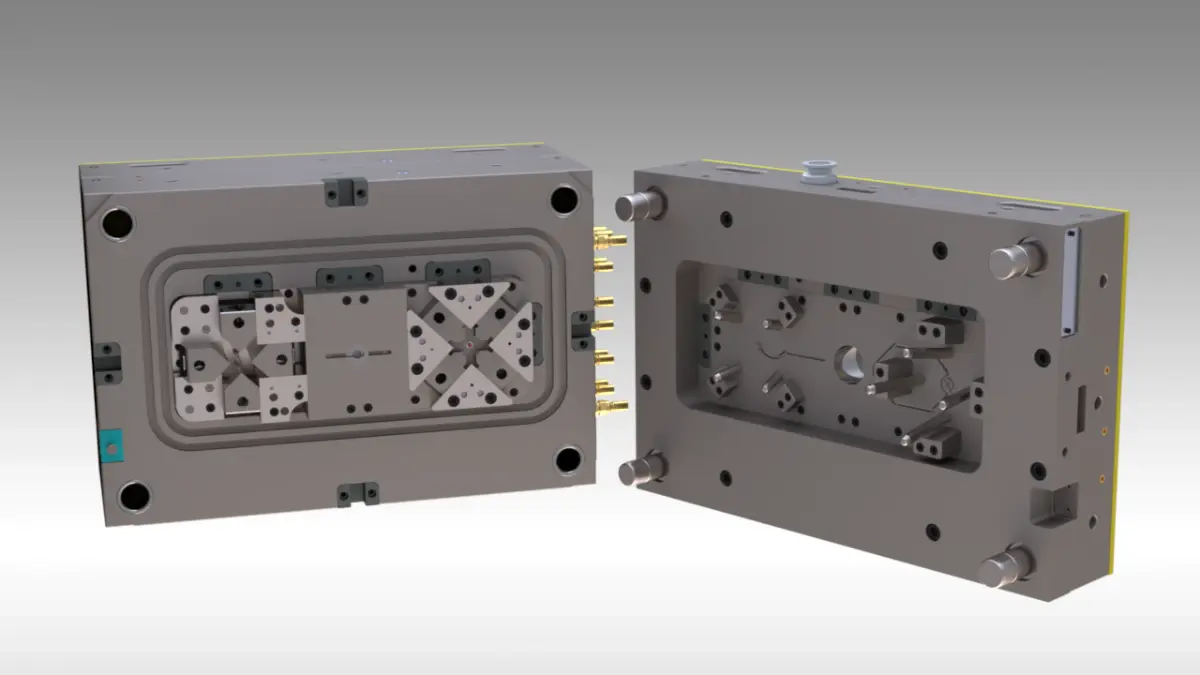
- Hybrid structures: The complete insert does not need to be made from amorphous material. Instead, an amorphous layer is applied onto an existing tool block (e.g. steel or comparable materials). The required cavity structures can be machined directly into this layer by the customer. During injection molding, the polymer melt is in contact with the amorphous material only, while the surrounding tool periphery remains unchanged. As a result, only the functional part of the tool needs to be replaced or upgraded.
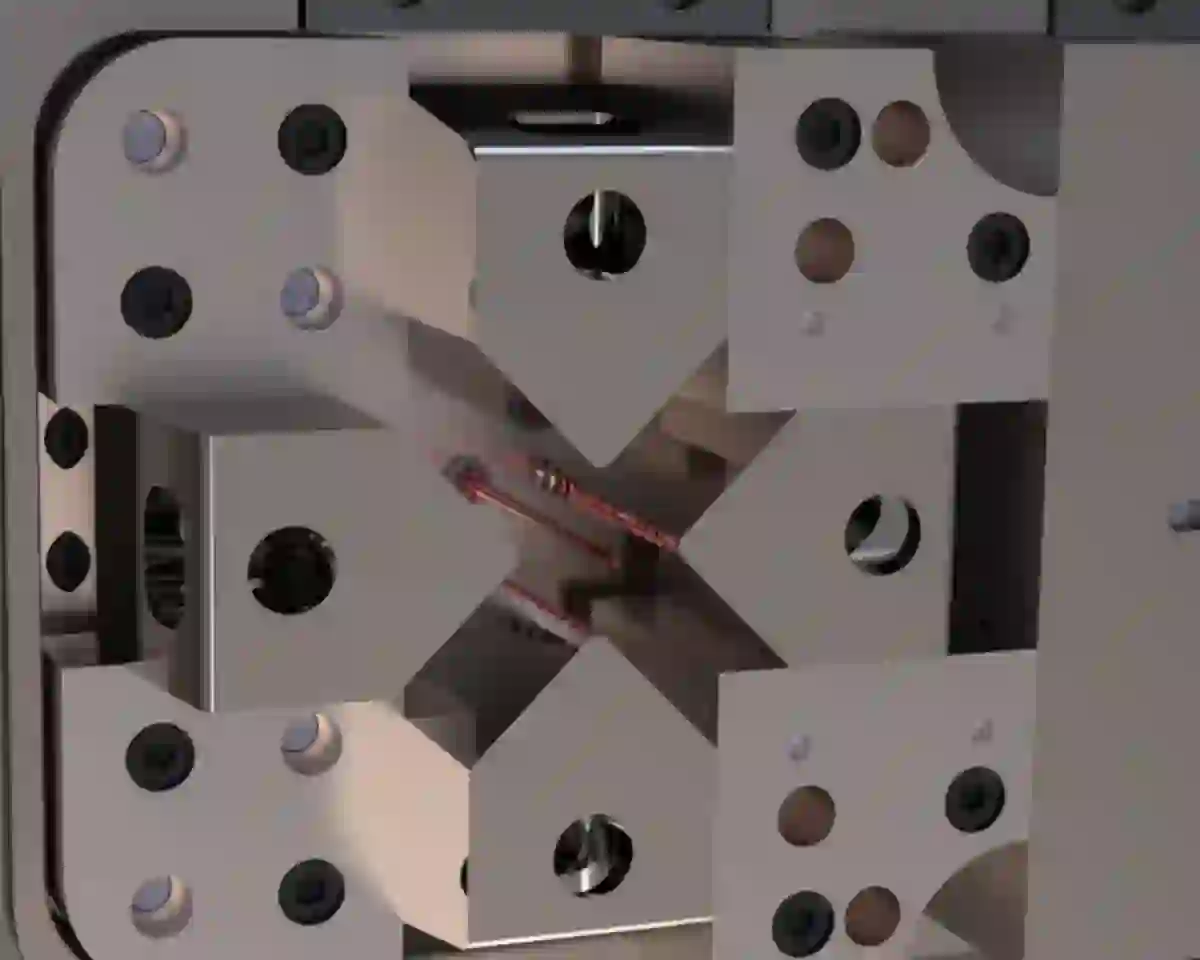
Advantages of amorphous metals as mold inserts:
- Low thermal conductivity: Peripherals not necessary, high energy efficiency and less CO2
- Simplification: Coatings not necessary, improved lifetime (vs. conventional steel inserts)
- Surface accuracy: Avoidance of surface defects (weld lines), uniform / higher gloss
Areas of application for mold inserts made of amorphous metals:
- Injection molded micro-optics
- Injection molded plastic products with very high surface finish requirements (e.g., hot runner nozzles or peripherals)
.png)
 (3).jpg)