ヘレウスアムロイのアモルファス合金
アモルファス合金(バルク金属ガラスまたはアモルファス金属とも呼ばれます)は、高強度と高弾性、耐食性、生体適合性など、その独自の材料特性により、全く新しい可能性をもたらしました。ヘレウスアムロイは、ジルコニウムベースのアモルファス合金の製品を取り扱っており、現在はチタンベースの合金の研究にも取り組んでいます。
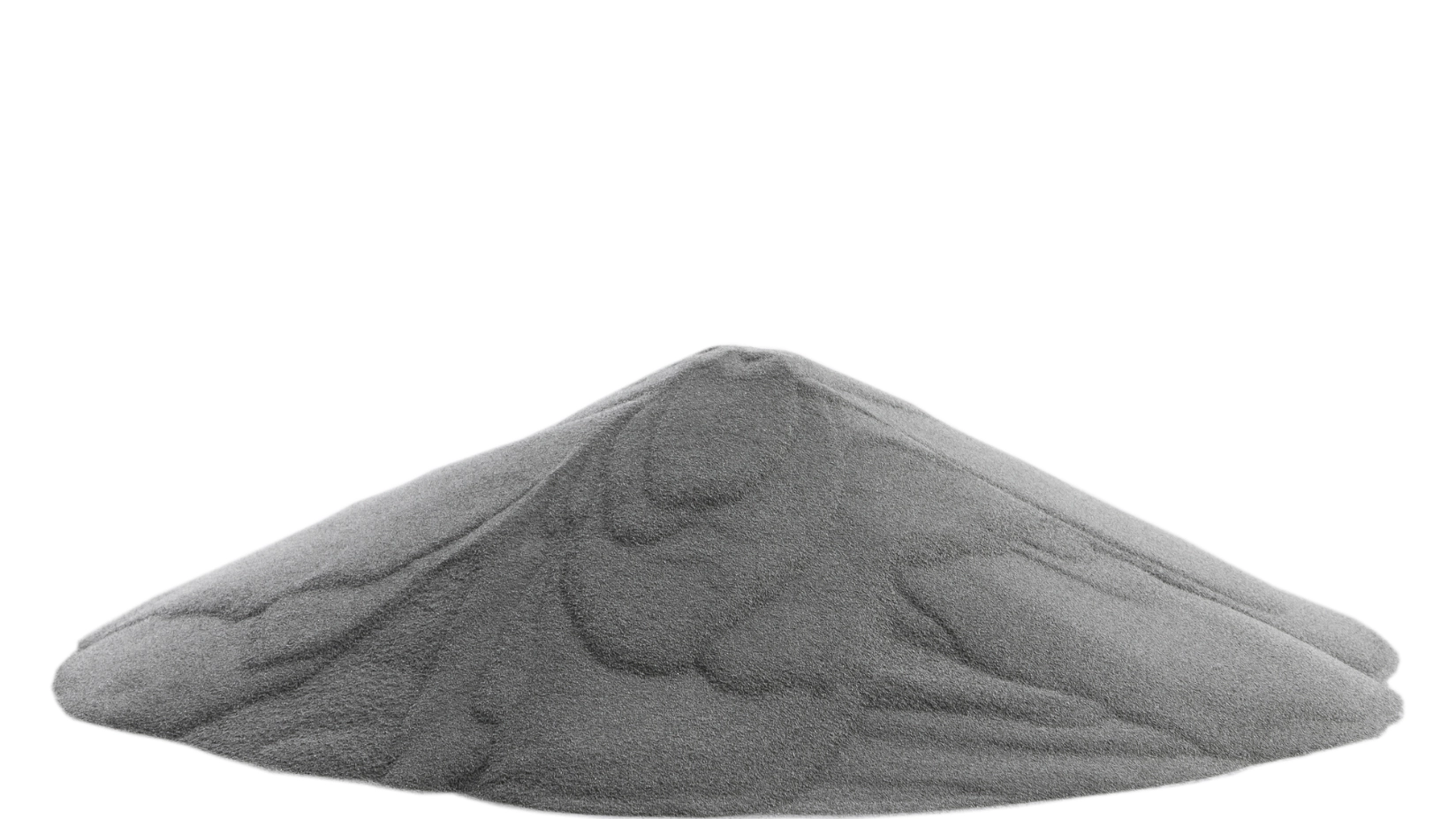
アモルファス合金は、高耐食性と低摩耗性を備えており、製品寿命を延ばします。材料の強度が高いため、小型化にも重要な役割を果たします。等方性挙動により、仕様と製品設計の簡素化が促されます。ヘレウスアムロイでは、射出成形と3Dプリンティングによって、アモルファス合金を工業規模でニアネットシェイプ部品に加工しています。
AMLOY-ZR01:3Dプリンティングに最適
ジルコニウムベースの合金AMLOY-ZR01は、選択的レーザー溶融プロセスを用いた3Dプリンティングでの加工に最適です。等方性材料であり、複雑な形状や大型部品の寸法を実現できます。AMLOY合金シリーズのうち、ZR01は、その良好な延性が特長です。アモルファス合金の積層造形は、個々の部品だけでなく、特殊な性質を持つ表面構造の製造にも使用できます。
AMLOY-ZR02:万能素材
ジルコニウムベースの合金AMLOY-ZR02は、万能素材です。積層造形・射出成形のいずれのニアネットシェイプ加工技術であっても、厳しい公差で、高い表面品質を持つ部品の製造を可能にします。その汎用性により、小ロットから中ロットの場合は3Dプリンティングで、効率的な自動化による大量生産の場合は射出成形を用いて、大型部品を製造することができます。
AMLOY-NI01 – Maximum Performance for Demanding Applications
The nickel–niobium-based alloy AMLOY-NI01 is designed for applications requiring maximum mechanical performance. Compared to conventional materials and zirconium-based metallic glasses, it offers significantly higher strength and hardness while maintaining a relevant level of toughness. This unique combination enables the use of AMLOY-NI01 in highly loaded structural components and wear-critical applications weighing less than 5 grams.
Due to its amorphous structure, the material exhibits an isotropic behavior and excellent resistance to deformation and wear. However, due to its limited glass-forming ability, AMLOY-NI01 is particularly suited for small or thin components (up to 1.5 mm wall thickness), such as cutting edges, small gears or mechanical components in watchmaking, where its exceptional material properties can be fully utilized.
Not available for purchase
AMLOY-CU01 – Precision and wear resistance for delicate, high-performance components
AMLOY-CU01 is a copper-based amorphous alloy characterized by high strength, excellent elasticity, and exceptional wear resistance. Thanks to its isotropic structure and high surface quality, it is particularly well-suited for small, complex, and thin-walled precision components such as gears, micromechanical components, or applications in the medical and watchmaking industries. Precision die-casting allows for tight tolerances and highly reproducible manufacturing.
NOT available for purchase
材料特性一覧
| 材料特性 | AMLOY-ZR01 | AMLOY-ZR02 |
| 密度(g/cm3) | 6.68 | 6.65 |
| 液相線温度(°C | 920 | 830 |
| 固相線温度(°C) | 870 | 781 |
| ガラス転移温度 Tg(°C) | 400 | 403 |
| 結晶化温度 Tx(°C) | 475 | 469 |
| 結晶化エンタルピー ∆H(J/g) | -47 | -47 |
| ヤング率(GPa) | 87 | 89 |
| ポアソン比 | 0.35 | 0.37 |
| 曲げ降伏強度(GPa) | 2.3 | 2 |
| 引張降伏強度(GPa) | 1.6 | 1.7 |
| 圧縮降伏強度(GPa) | 1.7 | 1.6 |
| ビッカース硬度(HV5) | 480 | 540 |
加えて現在、チタンベースの合金の研究を行っています。
材料特性一覧
| 材料特性 | AMLOY-ZR01 | AMLOY-ZR02 |
| 密度(g/cm3) | 6.68 | 6.65 |
| 液相線温度(°C | 920 | 830 |
| 固相線温度(°C) | 870 | 781 |
| ガラス転移温度 Tg(°C) | 400 | 403 |
| 結晶化温度 Tx(°C) | 475 | 469 |
| 結晶化エンタルピー ∆H(J/g) | -47 | -47 |
| ヤング率(GPa) | 87 | 89 |
| ポアソン比 | 0.35 | 0.37 |
| 曲げ降伏強度(GPa) | 2.3 | 2 |
| 引張降伏強度(GPa) | 1.6 | 1.7 |
| 圧縮降伏強度(GPa) | 1.7 | 1.6 |
| ビッカース硬度(HV5) | 480 | 540 |
加えて現在、チタンベースの合金の研究を行っています。
アモルファス合金の基礎知識
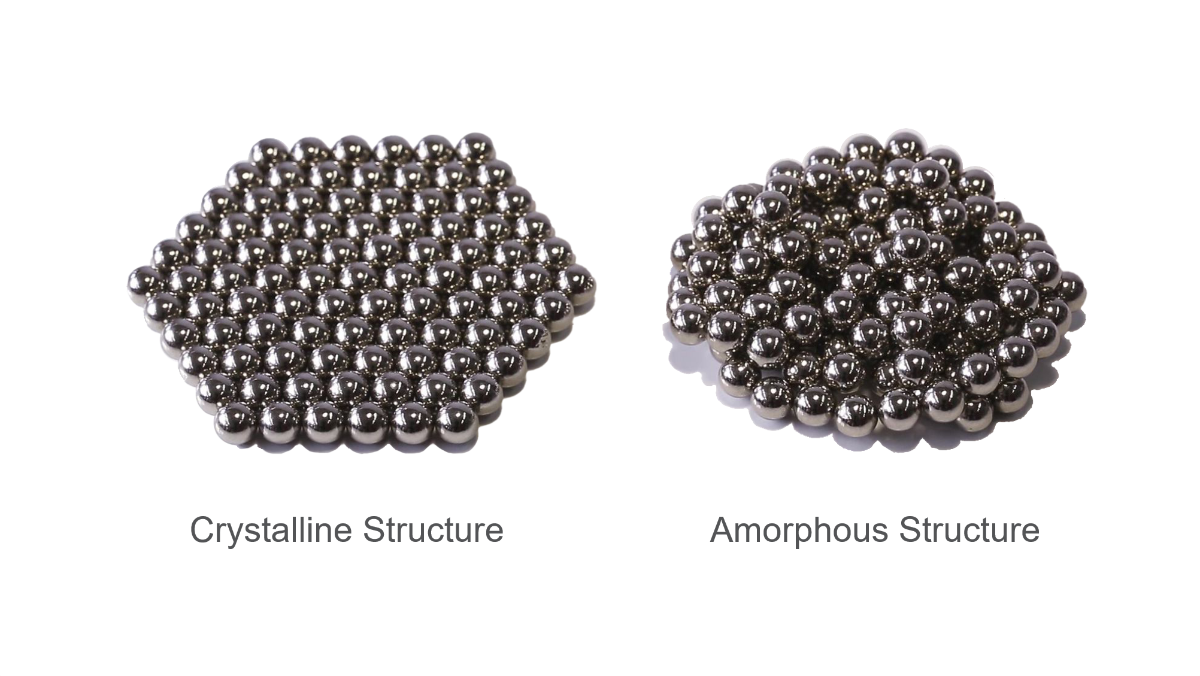
アモルファス合金は、金属融液を急速冷却することによって形成されます。原子は結晶格子を形成せず、無秩序(アモルファス)の状態で固化します。このプロセスでは、液体から固体への相変態が抑制されるため、固化の際に結晶核が形成されません。従来の金属の格子構造における格子欠陥は、機械的・電磁気的特性に影響を与えるため、材料が腐食しやすくなり、脆くなったり、早い段階で亀裂が生じたりします。しかしアモルファス合金であれば、これらのリスクを回避することが可能です。